Sustainability in Storytelling: How Purpose-Driven Marketing is Redefining the Rules

I
In today’s world, consumers are not just buying products but endorsing values. As awareness around sustainability and social responsibility grows, brands are witnessing a seismic shift in buyer behavior. Modern consumers seek brands whose ethos aligns with their own—prioritizing ethical practices, environmental stewardship, and authenticity. This evolution has given rise to purpose-driven marketing, where sustainability-led campaigns and digital storytelling take center stage.
This white paper delves into how purpose-driven marketing redefines brand strategy rules. From sustainability becoming a cornerstone of product offerings to the challenges of maintaining transparency, this paper explores the opportunities and hurdles brands face in crafting meaningful, values-driven narratives.
The Rise of Purpose-Driven Marketing
Consumer Values Redefined
Today’s consumers demand more than a quality product; they want to support brands championing causes they believe in. According to a 2023 Gartner survey, 78% of buyers consider a company’s commitment to sustainability when making purchasing decisions. Forrester reports that 63% of Millennials and Gen Z actively avoid brands with poor environmental or social practices.
Brands have responded by integrating purpose into their core strategies. Sustainability-led initiatives, inclusivity campaigns, and community-driven projects now form the foundation of marketing efforts. The message is clear: modern buyers vote with their wallets, and purpose-driven brands win.
Why Purpose-Driven Marketing Works
1. Emotional Connection:
Consumers are likelier to engage with brands that share their values.
2. Differentiation:
In saturated markets, purpose-driven campaigns provide a unique edge.
3. Loyalty and Advocacy:
Customers who identify with a brand’s purpose become lifelong advocates.
Case Study:
Patagonia’s "Don’t Buy This Jacket" campaign took a bold stance on sustainability by encouraging customers to buy less and recycle more. The result? A surge in loyalty from eco-conscious consumers resonated with the brand’s ethos.
Sustainability as the Cornerstone of Brand Strategy
Redefining Product Offerings
At the heart of our commitment to sustainability lies a deep respect for the planet and its people. Through ethical sourcing, we ensure that every ingredient is responsibly obtained, supporting fair trade and local communities. Our eco-friendly packaging reduces environmental impact without compromising quality,
Ethical Sourcing
Eco-Friendly Packaging
Residue-Free Farming
Carbon-Neutral Operations
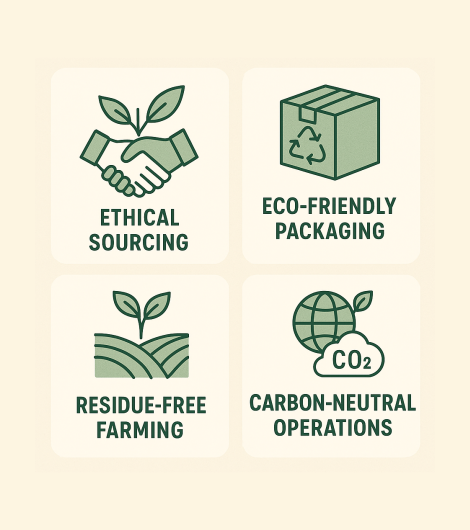
1. Ethical Sourcing:
Brands are partnering with fair-trade suppliers and ensuring transparency in their supply chains.
2. Eco-Friendly Packaging:
Biodegradable materials and minimalist designs replace traditional, waste-heavy packaging.
3. Residue-Free Farming:
The food and beverage industry prioritizes organic and residue-free farming practices to cater to health-conscious buyers.
Example:
Unilever’s commitment to 100% recyclable or reusable packaging by 2025 demonstrates how sustainability can be embedded into a brand’s DNA.
Digital Storytelling and Sustainability Narratives
Digital platforms have become powerful for brands to communicate their sustainability efforts. Through immersive storytelling, brands are:
- Highlighting their environmental impact.
- Sharing behind-the-scenes content that showcases ethical practices.
- Collaborating with Sustainability Advocates and Influencers
Insight:
A 2022 Nielsen study found that 66% of global consumers are willing to pay more for products from brands committed to sustainable practices. Effective digital storytelling can amplify these efforts, turning purpose into profit.
Challenges in Purpose-Driven Marketing
While purpose-driven marketing offers immense potential, it is not without challenges. Brands must navigate the following hurdles to maintain credibility and consistency:
1. Volatility in Raw Material Sourcing
Ethical sourcing often involves working with small-scale suppliers who may face supply chain disruptions due to climate change, geopolitical instability, or economic challenges. This volatility can impact product availability and pricing.
2. Regulatory Changes
Frequent updates to sustainability standards and labeling requirements create a complex landscape for brands. Staying compliant while maintaining transparency requires continuous monitoring and adaptation.
Example:
The European Union’s new Green Deal regulations have introduced stricter guidelines on eco-labeling, requiring brands to substantiate their environmental claims with robust evidence.
3. Inventory Management Complexities
As brands diversify into sustainable products, managing inventory becomes more challenging. Limited shelf lives, regional preferences, and varying certification standards add layers of complexity.
Strategies for Success in Purpose-Driven Marketing
Embrace Transparency
Consumers value honesty. Sharing the successes and challenges of your sustainability journey builds trust and credibility.
Prioritize Authenticity
Avoid the trap of greenwashing by aligning marketing claims with tangible actions. Authenticity must be at the core of every campaign.
Invest in Education
Educate your audience on why your sustainability efforts matter. Knowledgeable consumers are more likely to support purpose-driven initiatives.
Leverage Partnerships
Collaborate with nonprofits, NGOs, and sustainability-focused organizations to amplify your efforts and validate your claims.
Foster Community Involvement
Invite consumers to be part of your sustainability journey. User-generated content, volunteer programs, and co-creation opportunities strengthen emotional connections.
Measure and Communicate Impact
Showcasing the real-world outcomes of your sustainability initiatives reinforces accountability and motivates continued support.
The Role of Technology in Purpose-Driven Marketing
Technology plays a pivotal role in enabling and amplifying sustainability efforts. Key innovations include:
1. Blockchain for Transparency
Blockchain technology ensures traceability in supply chains, allowing consumers to verify the authenticity of sustainability claims.
Example:
Everledger’s blockchain solution tracks the journey of diamonds, ensuring ethical sourcing and transparency.
2. AI-Driven Insights
Artificial intelligence helps brands analyze consumer sentiment, predict trends, and optimize sustainability campaigns for maximum impact.
Insight:
AI-powered tools like Hootsuite Insights and Sprout Social can identify opportunities to highlight purpose-driven efforts.
3. Sustainable E-Commerce Platforms
E-commerce platforms integrate sustainability features, such as carbon footprint calculators and eco-friendly shipping options, to align with consumer values.
Example:
Shopify’s "Planet" app allows merchants to offset carbon emissions, enhancing their sustainability credentials.
Measuring the Impact of Purpose-Driven Marketing
To ensure long-term success, brands must measure the effectiveness of their sustainability initiatives. Key metrics include:
1. Consumer Engagement
Track likes, shares, and comments on sustainability-focused content.
2. Brand Loyalty
Measure repeat purchase rates and customer retention.
3. Environmental Impact
Use tools like carbon calculators to quantify the reduction in emissions or waste.
Case Study:
Tesla’s focus on sustainability extends beyond electric vehicles to include solar energy solutions, with measurable environmental benefits that resonate with eco-conscious buyers.
Why Creative Ethics?
At Creative Ethics, we understand that purpose-driven marketing is not just about crafting compelling narratives—it’s about creating lasting impact. Our agency specializes in designing sustainability strategies that resonate with your audience and drive measurable results. From developing eco-conscious campaigns to leveraging cutting-edge technologies like AI and blockchain for transparency, we ensure your brand’s values shine through every touchpoint.
Our team collaborates closely with you to identify your unique purpose, build authentic connections with consumers, and navigate challenges like greenwashing and regulatory compliance. We position you as a leader in ethical practices by fostering community involvement, embracing innovation, and aligning your brand with global sustainability goals. At Creative Ethics, we don’t just tell your story; we amplify it with creativity, integrity, and purpose—helping you leave a legacy of positive change.
Conclusion
Purpose-driven marketing is no longer optional; it is essential. As consumer awareness around sustainability and social responsibility grows, brands must rise to the challenge of aligning their strategies with these values. Companies can craft compelling narratives that inspire loyalty and drive meaningful impact by embracing authenticity, leveraging technology, and navigating challenges transparently.
Marketing rules are being rewritten, and sustainability is at the heart of this transformation. For brands willing to invest in purpose-driven storytelling, the rewards go beyond profit—creating a legacy of trust, innovation, and positive change.
Disclaimer:
The views expressed in this white paper represent the insights and perspectives of the Creative Ethics creative team. The content has been carefully compiled using information from credible digital media sources for informational purposes only. They may not apply universally to every business or situation.